
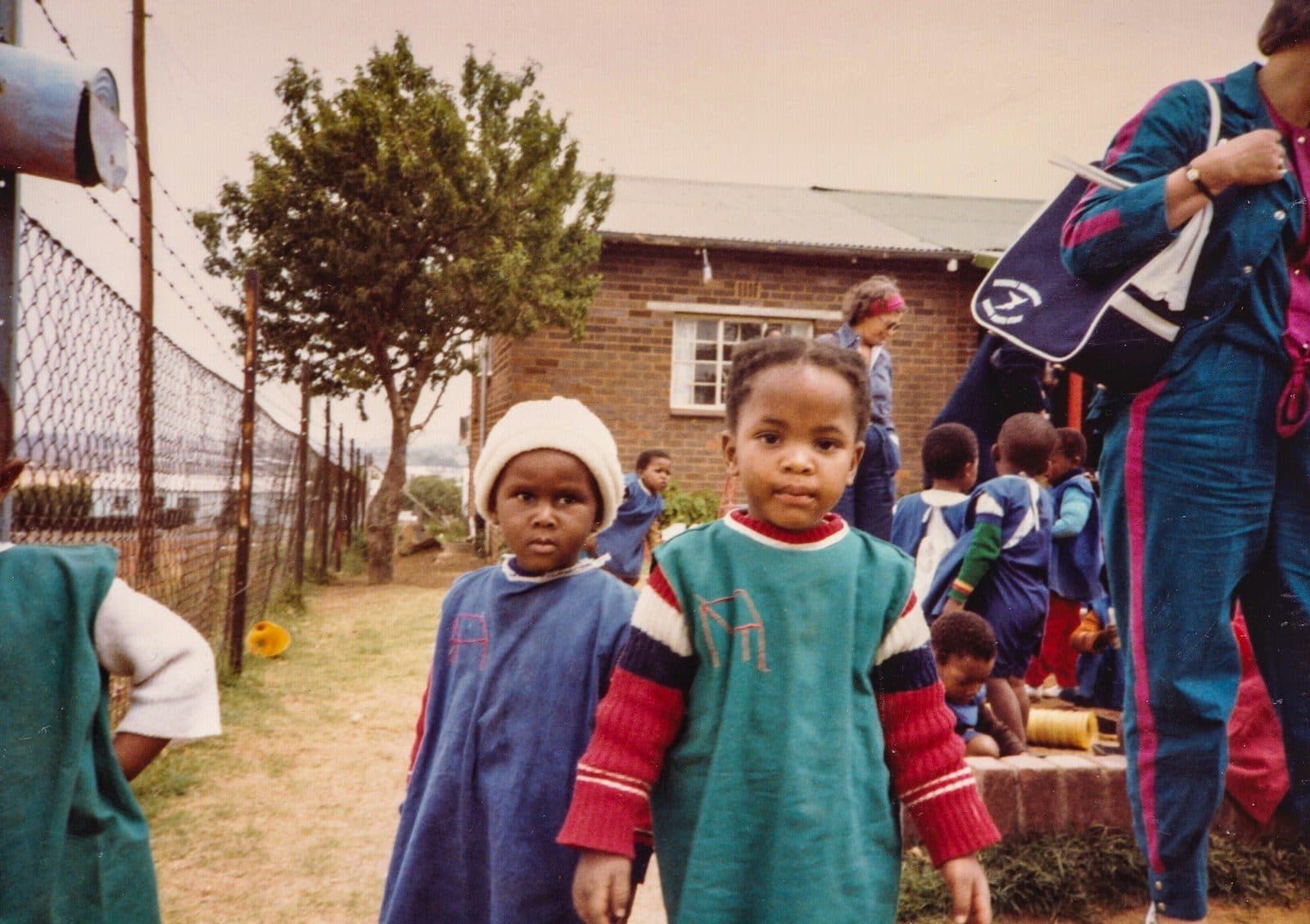
Some of South Africa’s most important education funders may not think of themselves as funders or philanthropists. They are households helping to support another person’s child.
Across South Africa, education funding does not come from one source alone. Households often help pay for another person’s child’s school fees, uniforms, transport or learning materials.
One household story, many like it
GetGo began with a familiar story: A household helping to fund the education of their domestic worker’s child.
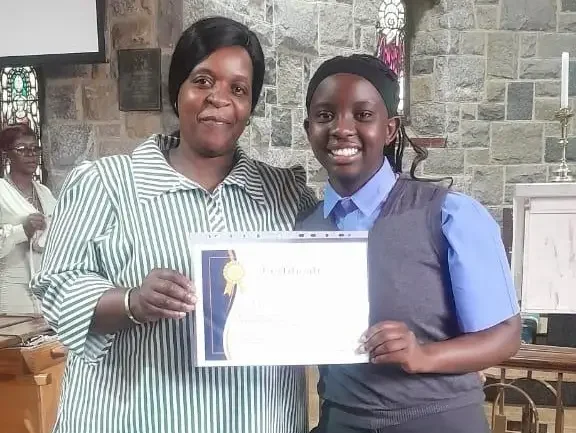
You can read more about our founding story on our About page.
This support is rarely called “education funding”. It is seen as helping out or doing the right thing.
It is not philanthropy in the formal sense. There is no recognition, tax benefit or structured process. There is simply a belief that education matters, and that this child deserves access to it.
These acts are part of the informal economy of education funding: support that helps learners, even when the people providing it do not think of themselves as funders
As we spoke to more families, we realised this was not an isolated act of generosity. Across South Africa, households are stepping in to support school fees, uniforms, transport and learning materials.
Together, they represent a significant, largely invisible contribution to education in South Africa: a quiet, decentralised network of everyday education funders.
Informal giving in a formal world
Much of this support remains informal.
South Africa has a tax framework that allows certain approved organisations to issue Section 18A tax-deductible receipts for eligible donations. But everyday funders often sit outside this system.
Some public schools may be able to issue Section 18A receipts, but many face practical barriers, including limited time, capacity or clarity about the process.
Independent schools cannot issue Section 18A receipts simply by virtue of being schools. Eligibility depends on the relevant organisation having SARS approval and meeting the requirements for the donations.
This informal education funding already exists, but it is not always easy to track, recognise or sustain.
The result is a gap:
- Households are already supporting education.
- An incentive framework exists.
- But access to it is uneven, inconsistent or unavailable.
Rethinking crowdfunding for education
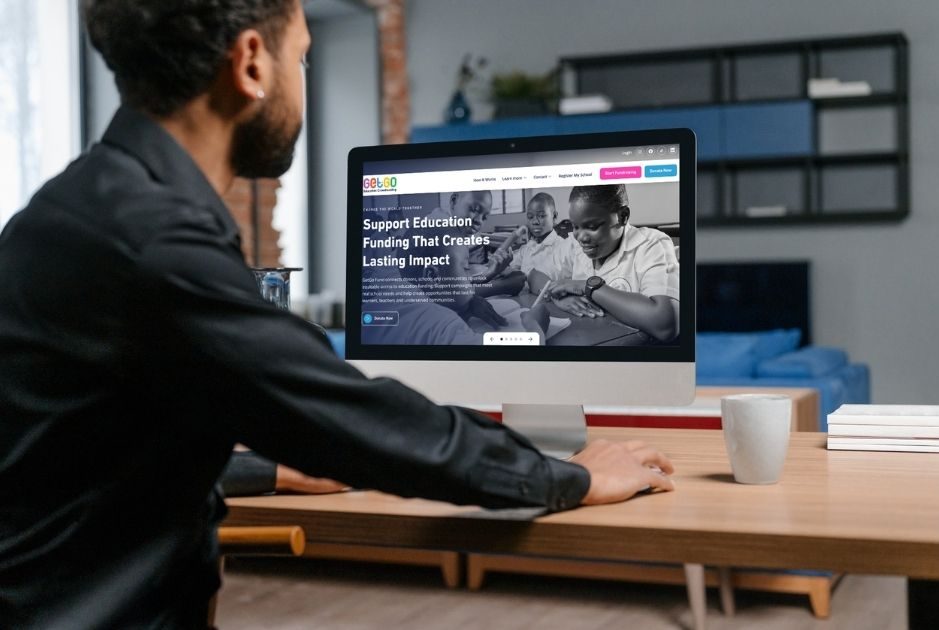
We believe there is an opportunity to support what households are already doing by giving it a platform. That is how GetGo Fund was conceived.
GetGo Fund is a crowdfunding platform for basic education that:
- Connects households and schools with people who can help fund learners’ education.
- Reduces administrative friction for schools.
- Helps everyday education funders access Section 18A benefits where eligible.
- Turns quiet generosity into measurable, sustainable impact.
This is not about asking people to start caring about education. They already do.
It is about building systems that recognise that care and make it easier for it to do lasting good.
Recognising informal education funding is one way to help everyday generosity create lasting opportunities for learners.
What does a Section 18A tax certificate mean for you?
South Africa has a tax framework that allows certain approved organisations to issue Section 18A tax-deductible receipts for eligible donations. GetGo Fund is a registered Public Benefit Organisation (PBO) and is approved to issue Section 18A certificates for eligible donations. [Read more about what GetGo’s PBO status means.]
For households already supporting a learner’s education, a Section 18A tax certificate can help make an eligible donation more formally recognised. It provides a record of the donation that may be used when claiming a tax deduction, subject to SARS requirements.
This can help connect everyday education funding with a formal process, giving donors a way to support learners while receiving the relevant documentation for eligible donations. The value of the tax benefit depends on your circumstances and the applicable SARS rules.
Learn more about how Section 18A Tax Certificates work and what they mean for you.
Stay Connected to Educational Impact
Join our community to receive inspiring campaign stories, updates from schools, impact highlights and opportunities to support education initiatives across South Africa. See how collective action is creating lasting change.